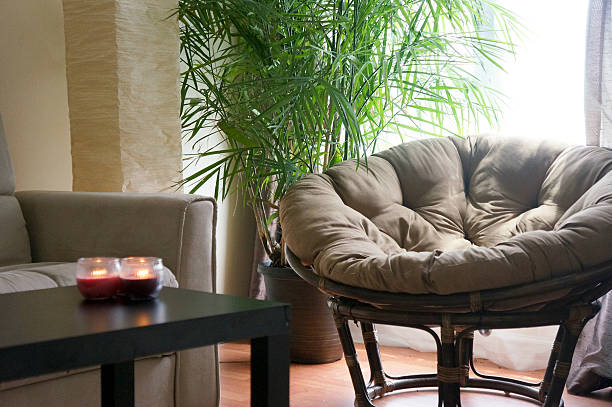
If you have ever been drawn to those bowl-shaped chairs, you already know the magic both the Papasan and Mamasan carry. Design experts often highlight these pieces for their unique ability to cater to various lifestyles, and this article will explore in detail the similarities and distinct differences between the two, helping you decide which is the best fit for your home.
The Difference between Papasan and Mamasan Chairs – The Short Answer
What makes them popular is not just comfort — it is how some subtle choices in shape and size also speak to personal needs and preferences. Whether you share a love for the solo snuggle of a Papasan or the wider embrace a Mamasan has to offer, both have earned their place, and this guide will explore exactly what sets them apart so you can decide with confidence.
What is a Papasan Chair?
The papasan is a single-seater, bowl-shaped chair known by many names — moon, bucket, and saucer chair — built on a short, cylindrical base with a frame of bamboo, rattan, or wicker wood, cradling a deep, wide, thick, soft cushion that makes every single user want to sink in and cuddle up.
Born in the 1970s with a 70s vibe that kept it a familiar family home staple, this round, circular seat never lost its timeless appeal — and today, interior designers agree its cool, trendy return is a full resurgence and renaissance of comfort-first interior design, proving that the best furniture always rests on how it makes you feel, and the papasan — still popular, still making waves — does exactly that, cradle and all.
What is a Mamasan Chair?
The Mamasan chair, often called a double Papasan chair, is essentially a larger version of the Papasan chair, designed to seat two people comfortably. It features an oblong, wider seating area built on a similar rattan or wicker frame, with a larger cushion that provides ample space for two people to sit comfortably. This deep, cushioned seating experience offers added room for shared use, making it perfect for couples or anyone who enjoys more space while lounging.
Why is It Called Papasan Chair?
Nobody knows precisely which country the Papasan chair originated from — some guess points to the Philippines, where a 1974 advertisement was launched for chair promotion, but its roots lie deep in Japanese culture. As John Kelly noted in his research, the word “Papasan” is a derivative term combining the English word for father (“papa“) with a Japanese honorific suffix (“-san“), traditionally used for a male in charge.
The debut of the Papasan chair in the western world traces back to the outbreak of World War II, and later the Vietnam War, where U.S. military soldiers — who used “Papasan” interchangeably with “pimp” — are speculated by academic historians to have first spotted these chairs in red-light venues, geisha houses, brothels, and bars; legend has it that these men brought the chair back as a gift for their wives in the states, turning it into a trendy western icon, as interior designer Sarah Barnard once confirmed.
As a parody of its male counterpart, the word “Mamasan” was invented on a whim to refer to the female in charge — though never derogatory by name — and together, their quirky history and development left a fascinating record in chair history, making both Papasan and Mamasan chairs a fave sponsored style and a lasting icon of western living, obviously shaped by war, culture, and a touch of promotion.
Key Differences between Papasan and Mamasan Chairs
Seating Capacity
The most significant difference in seating capacity between the two chairs is simple — the Papasan is designed for one person, offering a cozy, intimate experience, while the Mamasan, in contrast, can accommodate two people, making it ideal for couples and small families.
Its larger, more versatile frame makes it a great alternative to a sofa in compact living spaces, allowing a single chair to do so much more while still offering that signature comfort both chairs are loved for.
Dimensions and Weight Support
Having personally experienced both, I can tell you that a Papasan chair’s single, circular, bowl–shaped seat — measuring between 35 and 45 inches in diameter — is perfectly suitable for one person, with a standard weight limit of 200–300 pounds depending on the woven rattan or wicker materials used in its frame.
The Mamasan, significantly larger with dimensions ranging from 48 by 62 to 58 by 78 inches, is a wide, robust, load–bearing structure designed to accommodate more weight, supporting up to 500 pounds — its proportional scale and capacity making it far more than just a traditional furniture seater built for one.
Design and Aesthetics
Both the Papasan and Mamasan chairs share a rattan or wicker frame, yet it is the shape of the seating area that truly sets them apart. The Papasan boasts a round, bowl-shaped seat that acts as a natural focal point in any room, while the Mamasan features an elongated, oval form that can complement longer furniture pieces like sofas or side tables.
This difference in design directly affects both the seating capacity and the visual impact each chair has — the oblong Mamasan fitting more naturally alongside larger arrangements, while the round Papasan stands beautifully alone.
Comfort and Versatility: Versatility Across Settings
While both chairs share a similar deep, bowl-like design with thick, plush cushions, the Mamasan’s added space makes it perfect for lounging with a partner or spreading out with a book and a blanket.
The Papasan, however, wraps users in a personal cocoon, providing excellent back and neck support as you curl up and relax. Both naturally adapt to various settings — from living rooms and bedrooms to outdoor patios and sunrooms — making comfort their shared strength.
Stability and Ease of Use
Both papasan and mamasan chairs rest on a rounded frame and base that offers excellent support — but only when you’re seated correctly. The real challenge kicks in the moment you lean too far, throwing off your balance and causing the chair to tip. It’s a known stability issue, though the mamasan‘s larger size and wider base have mitigated these issues somewhat.
Things get especially tricky for users whose feet don’t touch the ground, since you have to push off the frame carefully — do it wrong and you’ll destabilize the whole thing. Being careful about your position before getting up is simply how it’s done, especially for first-timers.
Which Chair is Right for You?
The papasan, a cozy single-seater, is a perfect choice for small spaces, offering unique comfort, style, and a versatile addition to any furniture collection. Its ideal frame adds a personal touch to any room. If your needs lean toward seating that can accommodate two people, the mamasan — with its larger size, robust frame, and extra capacity — is the way to go.
Acting as a small sofa alternative, it serves couples and shared space well. Both chairs cater to different preferences, so whether you favor solo lounging or shared seating, either is a great choice depending on what suits you.
Pros & Cons of Papasan and Mamasan Chairs
Pros:
Easy to Maintain: A lovely replacement for your old and worn-out sofa, much more convenient to move and maintain with its lightweight rattan frame and removable cushion.
Ultimate Comfort: The Papasan and Mamasan chair are as cozy as they look, creating a relaxing seating spot where the round, bowl-shaped fabric cushion wraps you in pure comfort.
Endless Re-Styling: Both chairs bring a stylish, modern yet classic touch to your home decor, and with easily replaceable cushion material, refreshing your interior design is effortlessly easy and practical.
Inexpensive Solution: A functional, portable, and traditional furniture piece for any household, the wicker frame ensures durability, longevity, and care-free upkeep for your home.
Cons:
Not for Sleep: Sitting in a fetal position the whole night leaves you stiff and contorted when you wake up, making sleep far from ideal.
Lack of Stability: The lack of stability makes balance tricky, and leaning to one side makes it hard and difficult to climb into the chair.
Hard to Stand up: For anyone whose feet don’t touch the ground, the task of trying to stand from such a deep seating position is genuinely difficult.
Unused Words: contorted, wake, ideal, seating, side, leaning, hard, difficult, climb, chair, fetal, whole, night, stiff, sleep, balance, stability, lack, feet, touch, ground, task, stand, position, sitting
Conclusion
Choosing between a Papasan and a Mamasan really comes down to your personal space and seating needs — and trust me, I’ve sat in both long enough to have opinions. Interior design experts often describe these two iconic pieces as more than just furniture; they carry a distinctive character that few other chairs can match.
The Mamasan is the go-to choice for those who want something spacious and versatile, easily accommodating two people or giving you room to sprawl out with a book — its design is generous by nature. Meanwhile, the Papasan leans into something more intimate and cozy, cradling you in its round bowl-like frame in a way that feels almost personal.
Both offer a comfort that’s hard to walk away from, and both carry unique benefits depending on your living situation and style. What makes them truly beloved is how effortlessly they fit into a home — whether you choose bold upholstery or neutral tones, these chairs have a way of becoming the most talked-about spot in the room.