
Discovering peeling skin on your face after following a skincare routine can be both frustrating and concerning. Many people experience this common issue, often wondering if they’ve done something wrong or if their products are causing harm. The truth is, facial peeling after skincare can happen for various reasons, and understanding the root cause is essential for getting back to healthy, comfortable skin. For more comprehensive skincare guidance and tips, visit Wisebrights.com to explore expert-backed solutions for maintaining healthy skin.
Understanding Normal vs. Concerning Skin Peeling
What’s Normal
Every person’s skin naturally sheds dead cells as part of its renewal process. This normal turnover typically happens gradually and isn’t usually visible to the naked eye. Some gentle flaking might occur when someone first introduces certain active ingredients, which can be part of the skin’s adjustment period.
When to Be Concerned
However, peeling becomes problematic when it’s accompanied by redness, burning, stinging, or significant discomfort. Large flakes of skin, persistent irritation, or peeling that worsens over time are signs that something in the routine needs to change. Anyone experiencing severe peeling should take it seriously and adjust their approach immediately.
Common Skincare Ingredients That Trigger Peeling
Active Ingredients and Over-Exfoliation
Several popular skincare ingredients can cause peeling, especially when used incorrectly or too frequently. Retinoids and retinol are among the most common culprits. These powerful anti-aging ingredients accelerate cell turnover, which can initially cause noticeable peeling as the skin adjusts to the increased renewal rate.
Alpha hydroxy acids (AHAs) like glycolic acid and lactic acid work by dissolving the bonds between dead skin cells. While effective for improving skin texture, using them too often or in high concentrations can lead to excessive peeling and irritation.
Beta hydroxy acids (BHAs), particularly salicylic acid, penetrate deep into pores and can cause surface peeling. Benzoyl peroxide, a popular acne-fighting ingredient, can also be quite drying and may cause the skin to peel if used too aggressively.
The Problem with New Products
When someone introduces multiple new products at once, their skin can become overwhelmed. Each product may be fine individually, but combining them can create an overly harsh environment that leads to peeling and irritation.
Skin Barrier Damage and Over-Processing
How Aggressive Routines Cause Damage

The skin barrier is like a protective wall that keeps moisture in and irritants out. Aggressive skincare routines can compromise this barrier, leading to what skincare enthusiasts call “over-processing.” When the barrier is damaged, the skin loses its ability to retain moisture and protect itself from environmental stressors.
Recognizing Compromised Skin
Signs of a damaged skin barrier include tightness, excessive dryness, increased sensitivity, and yes – peeling. The skin may also appear red or feel raw to the touch. Once the barrier is compromised, it becomes a cycle where the damaged skin is more susceptible to further irritation from products that were previously well-tolerated.
Product Reactions and Sensitivities
Understanding Different Types of Reactions
Sometimes peeling isn’t just about using too many active ingredients – it can be an allergic reaction or contact dermatitis. These reactions can develop even to products someone has used before, as sensitivities can develop over time.
Purging vs. Adverse Reactions
It’s important to distinguish between “skin purging” and an adverse reaction. Purging typically occurs with ingredients like retinoids and AHAs and involves temporary breakouts as the skin adjusts. However, persistent peeling, burning, or worsening irritation after several weeks likely indicates an adverse reaction rather than normal purging.
Environmental and Lifestyle Factors
External Influences on Skin Health
Weather changes can significantly impact how the skin responds to skincare products. Cold, dry winter air or harsh summer sun can make the skin more vulnerable to peeling from products that were previously well-tolerated. Indoor environments with heating or air conditioning can also contribute to skin dryness and increased sensitivity.
The Role of Overall Health
Dehydration affects skin health from the inside out. When someone isn’t drinking enough water or is dealing with stress, their skin may be more prone to irritation and peeling from skincare products. Diet and sleep patterns can also influence how resilient the skin is to active ingredients.
Immediate Steps to Address Peeling
Safe Handling of Peeling Skin
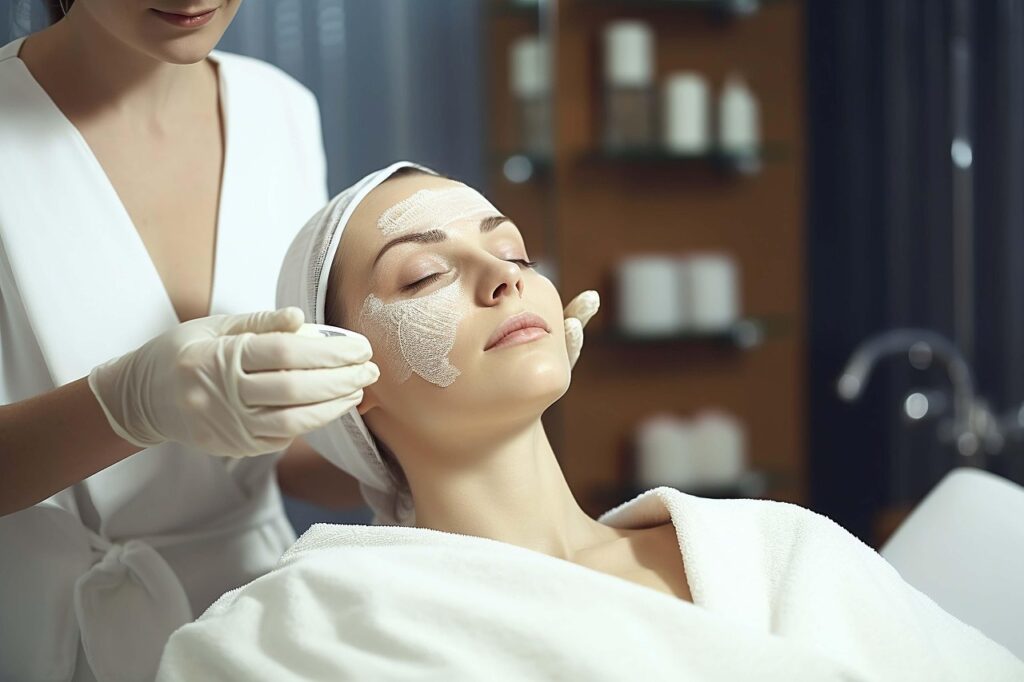
When dealing with peeling skin, the first instinct might be to pick at it or scrub it away, but this can cause more harm. Instead, gentle care is essential. Using a soft, damp cloth to very gently remove loose flakes during cleansing is acceptable, but aggressive rubbing should be avoided.
What to Avoid Temporarily
Anyone experiencing peeling should immediately stop using any active ingredients like retinoids, AHAs, BHAs, or benzoyl peroxide. Harsh scrubs, rough washcloths, and alcohol-based products should also be avoided until the skin heals.
Repairing and Restoring Your Skin
Building Back the Barrier
Repairing damaged skin requires patience and the right approach. Gentle, fragrance-free moisturizers containing ingredients like ceramides, hyaluronic acid, or niacinamide can help restore the skin barrier. These ingredients work to replenish moisture and support the skin’s natural healing process.
The Healing Timeline
Skin barrier repair doesn’t happen overnight. Most people can expect to see improvement within a few days to a week of switching to a gentler routine, but complete healing may take several weeks, depending on the extent of the damage.
Prevention Strategies
Smart Product Introduction
The key to avoiding peeling is introducing new products slowly and methodically. Skincare experts recommend adding only one new product at a time and waiting at least a week before introducing another. This approach makes it easier to identify which products work well and which ones cause problems.
The Importance of Patch Testing
Patch testing involves applying a small amount of a new product to a discrete area of skin and waiting 24-48 hours to see if any reaction occurs. While this step is often skipped, it can prevent widespread irritation and peeling.
Building a Sustainable Routine
A good skincare routine should be sustainable long-term. This means using active ingredients at appropriate frequencies and concentrations, not trying to use every trending ingredient at once, and listening to what the skin needs rather than following rigid rules.
When to Seek Professional Help
Recognizing Serious Symptoms
While minor peeling can often be addressed with routine adjustments, certain symptoms warrant professional attention. Persistent peeling that doesn’t improve after stopping active ingredients, severe burning or pain, signs of infection, or skin that appears damaged should be evaluated by a dermatologist.
Underlying Conditions
Sometimes what appears to be skincare-related peeling is actually a sign of an underlying skin condition like eczema, seborrheic dermatitis, or another inflammatory condition. A healthcare provider can help determine if there are deeper issues that need addressing.
Moving Forward with Confidence
Experiencing peeling after skincare doesn’t mean someone should give up on taking care of their skin. Instead, it’s an opportunity to learn what works best for their individual skin type and build a more thoughtful, sustainable routine. The key is patience, gentleness, and remembering that healthy skin is more important than following every skincare trend.
By understanding the causes of peeling and taking appropriate steps to address it, anyone can get back to enjoying their skincare routine without fear of irritation. Remember, the goal is healthy, comfortable skin – not necessarily perfect skin – and sometimes that means taking a step back and simplifying the approach.
Conclusion
Facial peeling after skincare is more common than many people realize, and it’s usually a sign that the skin needs a gentler approach rather than a more aggressive one. The most important takeaway is that effective skincare doesn’t have to be complicated or harsh to deliver results. In fact, the opposite is often true – gentle, consistent care tends to produce better long-term outcomes than aggressive routines that compromise the skin barrier.
Anyone dealing with peeling should remember that healing takes time and patience. The skin didn’t become irritated overnight, and it won’t heal overnight either. However, with the right approach – stopping harsh actives, focusing on barrier repair, and gradually reintroducing products – most people can restore their skin to a healthy, comfortable state.
Perhaps most importantly, this experience can serve as a valuable lesson in listening to the skin’s needs rather than following every trend or recommendation. What works for one person may not work for another, and that’s perfectly normal. The journey to finding the right skincare routine is often one of trial and adjustment, and temporary setbacks like peeling are just part of learning what works best for individual skin. Understanding the science behind skin barrier function can help people make more informed decisions about their skincare choices.
Moving forward, the key is to approach skincare with both enthusiasm and caution – excited to care for the skin but respectful of its limits and needs. With this balanced approach, anyone can build a routine that supports their skin’s health without causing irritation or peeling.