
Entering one’s thirties marks a significant transition period for skin health. Many people begin noticing subtle changes in their complexion during this decade, particularly those with dry and sensitive skin types. As highlighted by skincare experts at WiseBrights, understanding these changes and adapting skincare routines accordingly becomes essential for maintaining healthy, radiant skin throughout this important life stage.
How Skin Changes in Your 30s
The transition from twenties to thirties brings several physiological changes that directly impact skin health. Collagen production begins to decline by approximately 1% per year after age 25, becoming more noticeable in the thirties. This reduction leads to decreased skin elasticity and the formation of fine lines, particularly around the eyes and mouth.
Cell turnover also slows down during this period, causing skin to appear duller and take longer to recover from damage. For individuals with dry, sensitive skin, these natural aging processes can exacerbate existing concerns, making the skin barrier more vulnerable to environmental stressors and irritants.
Hormonal fluctuations, whether related to menstrual cycles, pregnancy, or stress, become more pronounced in the thirties. These changes can trigger increased sensitivity, unexpected breakouts, or alterations in skin texture and hydration levels.
Understanding Dry, Sensitive Skin
The Skin Barrier Function
The skin barrier acts as the body’s first line of defense against external aggressors while preventing water loss. In dry, sensitive skin, this barrier is often compromised, leading to increased transepidermal water loss and heightened reactivity to products and environmental factors.

A weakened skin barrier manifests through symptoms such as tightness, flaking, redness, and stinging sensations when applying products. Understanding these signs helps individuals choose appropriate skincare approaches that support barrier repair rather than further compromise skin health.
Common Sensitivity Triggers
Environmental factors like harsh weather, air conditioning, and pollution can significantly impact sensitive skin. Additionally, certain skincare ingredients, including fragrances, essential oils, sulfates, and high concentrations of acids, often trigger reactions in sensitive individuals.
Lifestyle factors such as stress, poor sleep, and dietary choices also play crucial roles in skin sensitivity. Recognizing these triggers allows for better management of skin reactions and improved overall skin health.
Building an Effective Skincare Routine
Gentle Cleansing Approaches
For dry, sensitive skin in the thirties, harsh cleansing can strip away essential oils and disrupt the skin barrier. Cream cleansers and cleansing oils provide effective removal of impurities while maintaining the skin’s natural moisture balance.
Double cleansing, starting with an oil-based cleanser followed by a gentle cream cleanser, offers thorough cleansing without over-stripping the skin. This method proves particularly beneficial for those who wear sunscreen or makeup daily.
Hydration and Moisturizing
Incorporating hydrating toners or essences after cleansing provides an additional layer of moisture. These products often contain humectants like hyaluronic acid, which can hold up to 1,000 times its weight in water, providing intense hydration to dry skin.

Moisturizer selection becomes crucial for maintaining healthy skin in the thirties. Look for products containing ceramides, which help restore the skin barrier, and ingredients like glycerin and squalane that provide lasting hydration without clogging pores.
Sun Protection Essentials
Daily sun protection remains non-negotiable, especially as skin becomes more vulnerable to UV damage in the thirties. Mineral sunscreens containing zinc oxide or titanium dioxide often prove gentler for sensitive skin compared to chemical formulations.
Broad-spectrum SPF 30 or higher should be applied generously and reapplied throughout the day. Many modern formulations designed for sensitive skin offer lightweight textures that layer well under makeup.
Key Ingredients for Dry, Sensitive Skin
Hydrating Powerhouses
Hyaluronic acid stands out as one of the most effective hydrating ingredients for dry skin. This powerful humectant draws moisture from the environment and deeper skin layers, providing plumping and smoothing effects.
Ceramides play a crucial role in barrier repair and maintenance. These naturally occurring lipids help seal in moisture while protecting against environmental damage. Products containing multiple types of ceramides often provide superior barrier support.
Glycerin, a gentle humectant, attracts moisture to the skin and helps maintain hydration levels throughout the day. Unlike some hydrating ingredients, glycerin rarely causes irritation, making it ideal for sensitive skin types.
Gentle Anti-Aging Options
Traditional retinoids can prove too harsh for sensitive skin, but gentler alternatives exist. Bakuchiol, a plant-derived ingredient, offers similar anti-aging benefits without the irritation often associated with retinol.
For those who can tolerate retinoids, starting with low concentrations and gradually increasing usage helps minimize irritation. Encapsulated retinol formulations release the active ingredient slowly, reducing the likelihood of sensitivity reactions.
Soothing and Calming Ingredients
Niacinamide, also known as vitamin B3, offers multiple benefits for sensitive skin. This versatile ingredient helps regulate oil production, reduces inflammation, and strengthens the skin barrier. Most people tolerate niacinamide well, even in higher concentrations.
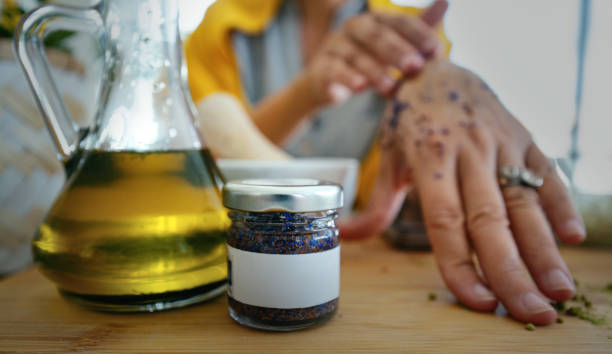
Centella asiatica, an herb traditionally used in wound healing, provides powerful anti-inflammatory properties. This ingredient helps calm irritated skin and supports the healing process of damaged skin barriers.
Colloidal oatmeal contains compounds called avenanthramides, which have anti-inflammatory and anti-itch properties. This ingredient provides immediate soothing relief for irritated, dry skin.
Addressing Common 30s Skin Concerns
Fine Lines and Early Aging Signs
The first signs of aging typically appear around the eyes and mouth in the thirties. Gentle eye creams containing peptides or low-concentration retinoids can help address these concerns without causing irritation.
Consistent moisturizing and sun protection remain the most effective strategies for preventing premature aging. Well-hydrated skin appears plumper and more youthful, while proper sun protection prevents further UV damage.
Hormonal Changes and Breakouts
Hormonal fluctuations in the thirties can trigger adult acne, even in those who didn’t experience breakouts in their teens or twenties. Gentle, non-comedogenic products help manage these breakouts without over-drying sensitive skin.
Spot treatments containing ingredients like tea tree oil or low-concentration salicylic acid can address individual blemishes while maintaining overall skin balance.
Lifestyle Factors Supporting Healthy Skin
Sleep and Stress Management
Quality sleep plays a crucial role in skin repair and regeneration. During deep sleep, the body produces growth hormones that help repair damaged skin cells and boost collagen production.

Chronic stress elevates cortisol levels, which can increase inflammation and compromise the skin barrier. Implementing stress management techniques such as meditation, exercise, or hobbies can positively impact skin health.
Environmental Considerations
Indoor air quality significantly affects skin health, particularly during winter months when heating systems reduce humidity levels. Using a humidifier helps maintain optimal moisture levels for dry, sensitive skin.
Seasonal routine adjustments become necessary as environmental conditions change. Richer moisturizers may be needed during colder months, while lighter formulations might suffice during humid summer periods.
Common Mistakes to Avoid
Over-cleansing represents one of the most common errors in skincare routines. Washing the face more than twice daily or using harsh scrubs can disrupt the skin barrier and increase sensitivity.
Introducing multiple new products simultaneously makes it difficult to identify potential irritants. Instead, incorporate new products one at a time, allowing several weeks to assess tolerance before adding additional items.
Patch testing new products on a small area of skin helps identify potential reactions before applying to the entire face. This simple step can prevent widespread irritation and help maintain skin health.
Building a Sustainable Routine
Creating an effective skincare routine doesn’t require expensive products or complicated regimens. Focus on gentle, well-formulated products that address specific skin concerns without causing irritation.

Consistency proves more important than complexity. A simple routine followed daily will yield better results than an elaborate regimen used sporadically.
Conclusion
Navigating skincare in one’s thirties requires understanding the unique challenges that dry, sensitive skin faces during this transitional period. By focusing on gentle, barrier-supporting ingredients and consistent daily habits, individuals can maintain healthy, resilient skin throughout this important decade.
The key lies in patience, consistency, and listening to one’s skin needs. Understanding the science behind skin aging and proper skincare becomes increasingly important as individuals navigate their thirties (Skin aging – Wikipedia). When concerns persist or worsen, consulting with a dermatologist ensures appropriate treatment and prevents potential skin damage.
Remember that healthy skin is a long-term investment. The habits and routines established in the thirties lay the foundation for continued skin health in the decades to come.