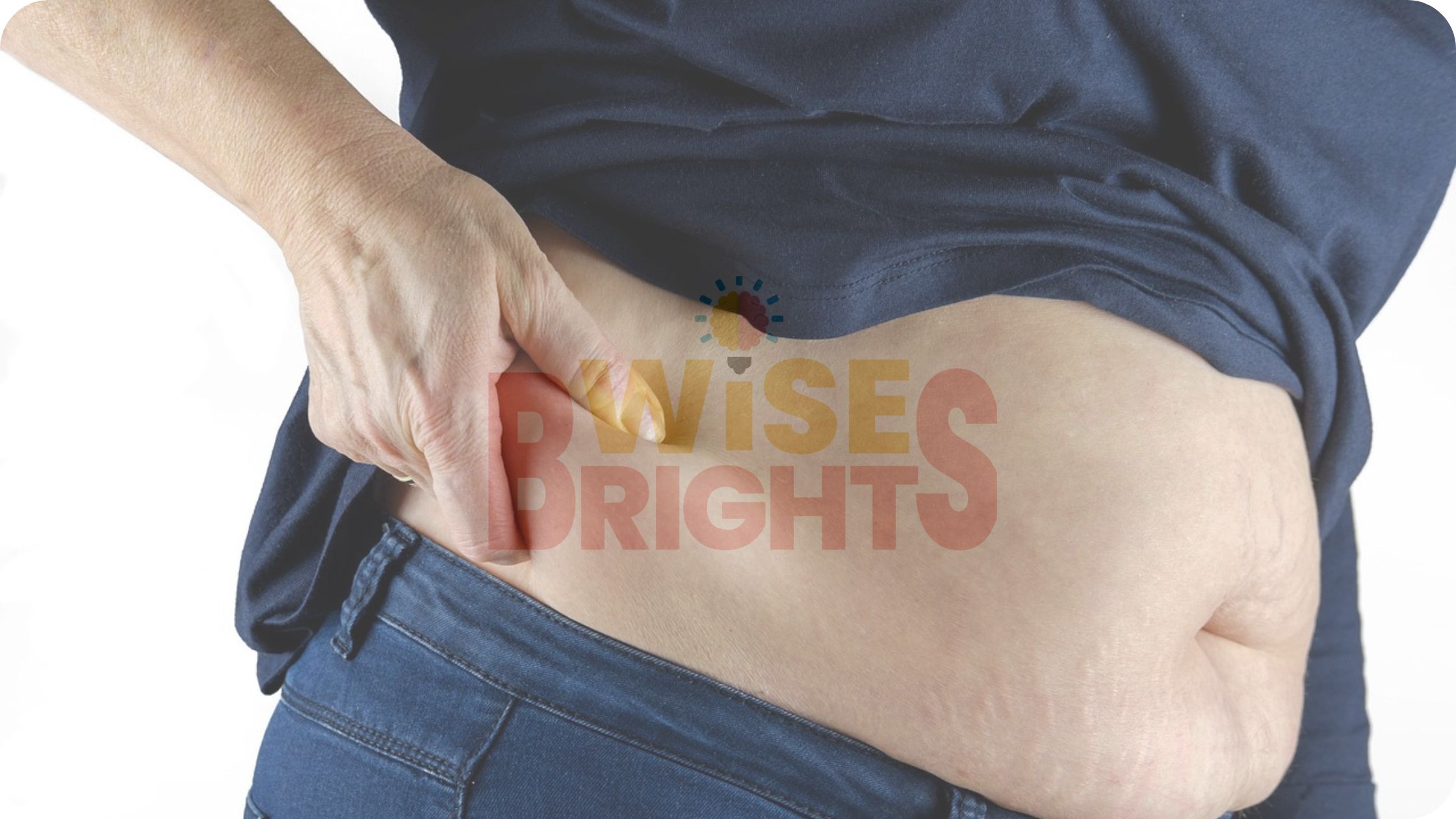
Belly fat remains one of the most stubborn areas for weight loss, frustrating millions of people worldwide. While spot reduction isn’t possible, targeted strategies can help individuals see meaningful changes in their midsection within 30 days. According to health experts at WiseBrights, the key lies in understanding that sustainable belly fat loss requires a comprehensive approach combining proper nutrition, strategic exercise, and lifestyle modifications.
Setting realistic expectations is crucial for success. In 30 days, most people can expect to lose 1-2 inches from their waistline and feel significantly more energetic and confident. However, dramatic transformations require patience and consistency beyond the initial month.
Understanding Belly Fat: The Foundation of Effective Loss
Types of Belly Fat
The human body stores two distinct types of abdominal fat, each requiring different approaches for elimination. Subcutaneous fat sits directly under the skin and creates the “pinchable” layer around the waist. This type responds well to general weight loss strategies and is typically less harmful to health.
Visceral fat, however, wraps around internal organs deep within the abdominal cavity. This metabolically active fat tissue releases hormones and inflammatory compounds that can increase the risk of heart disease, diabetes, and other serious health conditions. Fortunately, visceral fat often responds more quickly to dietary changes and exercise than subcutaneous fat.
Why Belly Fat Accumulates
Several factors contribute to abdominal fat storage, making it essential to address root causes rather than just symptoms. Hormonal imbalances, particularly elevated cortisol levels from chronic stress, can redirect fat storage to the midsection. Additionally, insulin resistance from poor dietary choices promotes fat accumulation around the waist.
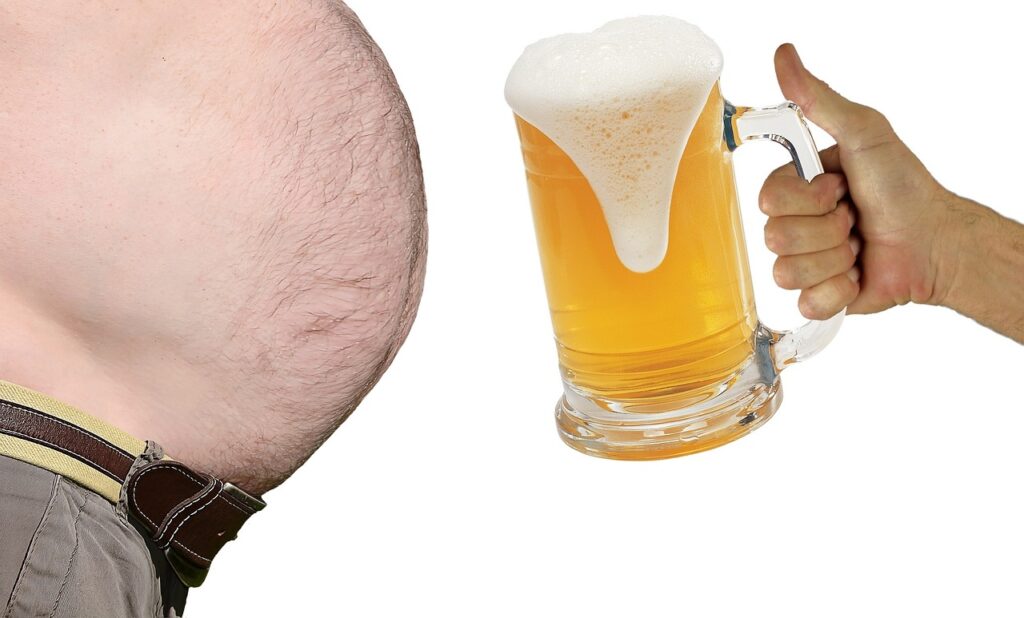
Genetics play a role in determining where individuals store fat, but lifestyle factors ultimately have the greatest impact. Sedentary behavior, poor sleep quality, and excessive alcohol consumption all contribute to belly fat accumulation over time.
Nutrition Fundamentals for Belly Fat Loss
Creating a Sustainable Caloric Deficit
Successful belly fat loss begins with consuming fewer calories than the body burns daily. However, extreme restrictions often backfire, slowing metabolism and triggering intense cravings. Research suggests a moderate deficit of 300-500 calories per day promotes steady fat loss while preserving muscle mass.
Tracking food intake helps identify hidden calories and portion sizes that may be sabotaging progress. Many people underestimate their daily caloric consumption by 20-40%, making awareness the first step toward meaningful change.
Optimizing Macronutrient Balance
Protein intake deserves special attention during fat loss phases, as adequate amounts help preserve lean muscle mass while increasing satiety. Aim for 0.8-1 gram of protein per pound of body weight daily, distributed across all meals and snacks.

Complex carbohydrates provide sustained energy for workouts while preventing blood sugar spikes that can promote fat storage. Focus on whole grains, legumes, and vegetables rather than processed options that lack fiber and nutrients.
Healthy fats support hormone production and nutrient absorption while promoting feelings of fullness. Include sources like avocados, nuts, seeds, and olive oil while avoiding trans fats and excessive saturated fat intake.
Strategic Food Choices
Certain foods actively support belly fat loss through various mechanisms. Lean proteins like chicken breast, fish, and legumes require more energy to digest, temporarily boosting metabolism. Fiber-rich vegetables and fruits help control appetite while supporting digestive health.
Conversely, refined sugars and processed foods can sabotage progress by promoting inflammation and insulin resistance. Liquid calories from sodas, juices, and alcoholic beverages are particularly problematic as they don’t trigger the same satiety signals as solid foods.
Exercise Strategies for Maximum Results
Cardiovascular Exercise for Fat Burning
Regular cardio exercise creates the caloric deficit necessary for fat loss while specifically targeting visceral fat. Moderate-intensity activities like brisk walking, cycling, or swimming for 150-300 minutes per week provide substantial benefits without overwhelming beginners.
Higher-intensity options like running or rowing can achieve similar results in less time, making them ideal for busy schedules. The key is choosing activities that can be performed consistently rather than pursuing the most intense options available.
Strength Training Benefits

Resistance exercise builds lean muscle mass, which increases resting metabolic rate and improves body composition. Compound movements like squats, deadlifts, and push-ups work multiple muscle groups simultaneously, maximizing calorie burn and functional strength gains.
Progressive overload ensures continued adaptation and results. Gradually increasing weight, repetitions, or training frequency challenges muscles and prevents plateaus that can stall progress.
High-Intensity Interval Training (HIIT)
HIIT workouts alternate between periods of intense effort and active recovery, creating an “afterburn effect” that continues burning calories for hours post-exercise. These time-efficient sessions can significantly impact belly fat when performed 2-3 times per week.
Sample HIIT protocols include 30 seconds of high-intensity exercise followed by 90 seconds of recovery, repeated for 15-20 minutes. Beginners should start with lower intensities and gradually progress as fitness improves.
Lifestyle Factors That Impact Belly Fat
Sleep Quality and Duration
Poor sleep disrupts hormones that regulate hunger and satiety, often leading to increased calorie consumption and belly fat storage. Adults should aim for 7-9 hours of quality sleep nightly to optimize fat loss efforts.
Creating a consistent sleep schedule and optimizing the sleep environment can dramatically improve rest quality. This includes maintaining a cool, dark bedroom and avoiding screens for at least one hour before bedtime.
Stress Management Techniques
Chronic stress elevates cortisol levels, promoting fat storage specifically in the abdominal region. Implementing stress-reduction strategies like meditation, deep breathing exercises, or regular yoga practice can help normalize hormone levels.
Even simple activities like taking short walks, listening to calming music, or practicing gratitude can reduce stress and support fat loss goals. The key is finding techniques that feel sustainable and enjoyable rather than adding more pressure to daily life.
Alcohol Consumption Considerations

Alcoholic beverages provide empty calories while potentially increasing appetite and reducing willpower around food choices. Additionally, the body prioritizes alcohol metabolism over fat burning, temporarily halting progress toward belly fat loss goals.
Limiting alcohol intake to 1-2 drinks per week, or eliminating it entirely during the 30-day period, can accelerate results and improve overall health outcomes.
30-Day Action Plan for Success
Weeks 1-2: Foundation Building
The first two weeks focus on establishing sustainable habits rather than pursuing dramatic changes. Begin by tracking food intake, incorporating 20-30 minutes of daily movement, and prioritizing sleep hygiene.
Gradually reduce processed food consumption while increasing vegetable and protein intake. Start with 2-3 strength training sessions per week, focusing on proper form over heavy weights or complex exercises.
Weeks 3-4: Intensification and Refinement
Building on the foundation established in weeks 1-2, increase exercise intensity and refine nutritional strategies. Add HIIT sessions twice per week and extend cardio sessions by 10-15 minutes.
Fine-tune portion sizes based on hunger cues and progress measurements. This phase often yields the most visible results as habits become more automatic and the body adapts to the new routine.
Common Mistakes That Sabotage Progress
Many individuals fall into the trap of believing they can spot-reduce belly fat through endless crunches and sit-ups. While core exercises strengthen abdominal muscles, they don’t preferentially burn fat from that area. Total body fat loss is necessary to reveal the underlying muscle definition.
Extreme calorie restriction may seem logical for faster results, but it often backfires by slowing metabolism and triggering binge eating episodes. Sustainable moderate deficits produce better long-term outcomes while preserving mental and physical health.
Maintaining Results Beyond 30 Days
The habits developed during the initial 30 days must evolve into permanent lifestyle changes for lasting results. This transition period is crucial, as many people abandon their efforts once they achieve their initial goals.
Focus on finding enjoyable forms of exercise and developing a flexible approach to nutrition that can accommodate social situations and life changes. The goal is creating a sustainable way of living rather than following a temporary diet or exercise program.
Conclusion
Losing belly fat naturally in 30 days requires a comprehensive approach that addresses nutrition, exercise, and lifestyle factors simultaneously. While dramatic transformations aren’t realistic in such a short timeframe, meaningful changes in body composition, energy levels, and overall health are absolutely achievable.
The strategies outlined above provide a science-based framework for success, but individual results will vary based on starting point, adherence, and genetic factors. Research from reputable sources like the Mayo Clinic consistently supports the importance of combining dietary changes with regular physical activity for effective weight management. Consistency and patience remain the most important ingredients for long-term success in belly fat reduction and overall health improvement.