

Fifth-generation wireless technology, commonly known as 5G, represents the latest evolution in mobile network technology. This revolutionary advancement promises to transform how people connect, communicate, and interact with digital services. Understanding 5G technology and its impressive speed capabilities has become essential as networks worldwide continue their deployment efforts. Technology experts at WiseBrights emphasize that staying informed about these developments is crucial for making informed decisions about mobile connectivity.
5G technology utilizes higher frequency radio waves and advanced network architecture to deliver unprecedented data speeds, reduced latency, and enhanced connectivity. Unlike its predecessors, 5G operates across three distinct spectrum bands: low-band, mid-band, and high-band millimeter wave frequencies. This multi-band approach enables network providers to optimize coverage and performance based on specific geographical and usage requirements.
How Fast is 5G?
The speed capabilities of 5G networks significantly surpass those of 4G LTE technology. While 4G networks typically deliver download speeds ranging from 20 to 50 Mbps under optimal conditions, 5G networks can theoretically achieve speeds up to 100 times faster. Real-world 5G speeds vary considerably depending on factors such as network infrastructure, device compatibility, user density, and spectrum band utilization.
In practical applications, users can expect 5G download speeds ranging from 100 Mbps to over 1 Gbps in optimal conditions. These enhanced speeds enable seamless streaming of ultra-high-definition content, rapid file downloads, and smooth operation of bandwidth-intensive applications. The technology also supports significantly more simultaneous connections per cell tower, addressing the growing demand for IoT devices and smart city infrastructure.
5G Network Speeds
Maximum 5G Speeds
The theoretical maximum speed for 5G technology reaches an impressive 20 Gbps for download and 10 Gbps for upload under laboratory conditions. However, these peak speeds represent ideal scenarios that rarely occur in real-world environments. Various factors influence actual performance, including network congestion, distance from cell towers, physical obstacles, and weather conditions.

Commercial 5G deployments typically achieve maximum speeds between 1-3 Gbps in optimal conditions using millimeter wave technology. Mid-band 5G networks generally deliver maximum speeds ranging from 300 Mbps to 1 Gbps, while low-band implementations often cap at around 100-200 Mbps. These variations reflect the trade-offs between speed, coverage area, and signal penetration capabilities across different spectrum bands.
EE 5G Speeds
EE, one of the United Kingdom’s leading mobile network operators, has achieved notable performance metrics in its 5G deployment. The network typically delivers download speeds ranging from 150 Mbps to 600 Mbps in areas with strong 5G coverage. EE’s network utilizes both mid-band and high-band spectrum allocations to optimize performance across urban and suburban areas.
Independent testing has shown EE’s 5G network achieving peak download speeds exceeding 1 Gbps in select locations with optimal conditions. The operator continues expanding its 5G infrastructure, with coverage extending to major cities and high-traffic areas. EE’s network performance consistently ranks among the top performers in comparative speed tests conducted by telecommunications industry analysts.
Three 5G Speeds
Three UK has positioned itself as a significant player in the 5G market, leveraging substantial spectrum holdings to deliver competitive network performance. The operator’s 5G network typically achieves download speeds ranging from 100 Mbps to 500 Mbps, with peak performance reaching up to 2 Gbps in optimal conditions using advanced carrier aggregation techniques.
Three’s network strategy focuses on utilizing mid-band spectrum efficiently to balance coverage and speed. The operator has invested heavily in network densification, deploying additional cell sites to improve capacity and reduce congestion. This approach has resulted in consistent performance improvements and enhanced user experience across Three’s 5G coverage areas.
Vodafone 5G Speeds

Vodafone’s 5G network deployment emphasizes broad coverage and reliable performance across diverse geographical areas. The network typically delivers download speeds between 200 Mbps and 800 Mbps, with peak speeds reaching over 1 Gbps in areas with optimal signal conditions and low network congestion.
The operator utilizes dynamic spectrum sharing technology to maximize efficiency across its frequency allocations. Vodafone’s network architecture incorporates advanced beamforming and massive MIMO technologies to enhance signal quality and increase capacity. These technological implementations contribute to consistent performance and improved reliability across Vodafone’s 5G footprint.
O2 5G Speeds
O2’s 5G network focuses on delivering consistent performance and broad coverage across urban and suburban areas. The network typically achieves download speeds ranging from 150 Mbps to 400 Mbps, with peak performance exceeding 700 Mbps under optimal conditions. O2’s deployment strategy emphasizes network reliability and consistent user experience over absolute peak speeds.
The operator has implemented comprehensive network optimization strategies, including advanced traffic management and load balancing techniques. O2’s 5G infrastructure incorporates edge computing capabilities to reduce latency and improve application responsiveness. These enhancements contribute to superior performance for real-time applications and interactive services.
MVNO 5G Speeds
Mobile Virtual Network Operators (MVNOs) that offer 5G services typically provide speeds comparable to their host networks, though performance may vary based on network priority arrangements and traffic management policies. Most MVNOs delivering 5G services achieve download speeds ranging from 100 Mbps to 300 Mbps, depending on the underlying network infrastructure and capacity sharing agreements.
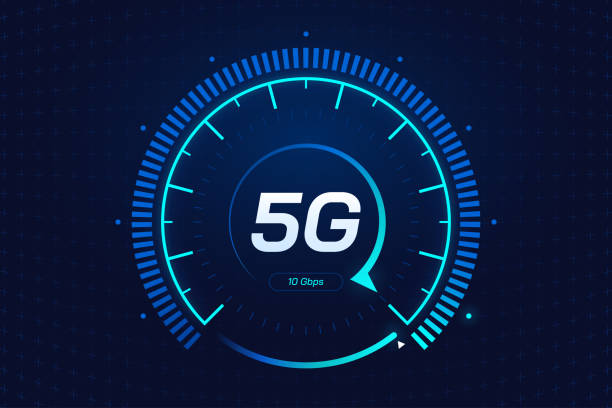
Several prominent MVNOs have launched 5G services, often at competitive pricing compared to traditional network operators. These services generally provide adequate performance for most consumer applications, though peak speeds may be lower than those achieved by primary network operators during periods of high network utilization.
How to Check 5G Download Speeds
Users can measure their 5G connection speeds using various methods and tools. Built-in speed testing applications on smartphones provide convenient access to network performance measurements. Popular speed testing platforms like Speedtest by Ookla, Fast.com, and network-specific testing tools offer accurate measurements of download speeds, upload speeds, and latency.
When conducting speed tests, users should ensure their device displays a 5G connection indicator and test from multiple locations to obtain representative results. Testing at different times throughout the day helps identify performance variations due to network congestion patterns. Multiple tests using different servers can provide a comprehensive understanding of network performance characteristics.
5G Latency
Latency represents the time required for data to travel between devices and network infrastructure. 5G networks achieve significantly lower latency compared to previous generations, with typical values ranging from 1 to 10 milliseconds. This dramatic improvement in response time enables new applications requiring real-time communication, such as autonomous vehicles, remote surgery, and augmented reality experiences.
Ultra-reliable low-latency communication (URLLC) represents one of 5G’s key technological advantages. This capability supports mission-critical applications that require guaranteed response times and exceptional reliability. The reduced latency also enhances user experience for gaming, video conferencing, and interactive applications by minimizing delays and improving responsiveness.
Future 5G Download Speeds
The evolution of 5G technology continues with ongoing improvements and enhancements. Future developments, including 5G Advanced and eventual 6G technology promise even greater speed capabilities. Network operators are investing in infrastructure upgrades, spectrum expansion, and advanced technologies like network slicing and artificial intelligence optimization.
Emerging technologies such as satellite-terrestrial network integration and advanced antenna systems will further enhance 5G performance. Industry experts predict that future 5G implementations could achieve consistent multi-gigabit speeds across broader coverage areas, making high-speed connectivity available to more users in diverse locations.
Frequently Asked Questions (FAQs)
Q: Is 5G faster than fiber internet?
A: 5G can achieve speeds comparable to many fiber internet connections, though fiber typically offers more consistent performance and higher capacity for sustained usage.
Q: Why does my 5G speed vary so much?
A: 5G speeds fluctuate based on factors including distance from cell towers, network congestion, spectrum band utilization, and environmental conditions affecting signal propagation.
Q: Do I need a special device for 5G speeds?
A: Yes, accessing 5G networks requires a compatible smartphone or device with built-in 5G modem capabilities and support for the specific frequency bands used by your network operator.
Q: How much data does 5G use?
A: 5G itself doesn’t use more data, but faster speeds may encourage higher data consumption through improved streaming quality and more frequent app usage.
Q: Is 5G available everywhere?
A: 5G coverage continues expanding but remains limited compared to 4G networks. Urban areas typically have the most comprehensive 5G coverage, while rural deployment is ongoing.
Understanding 5G technology and its speed capabilities helps consumers make informed decisions about mobile services and device upgrades. As networks continue expanding and technology advances, 5G will play an increasingly important role in enabling next-generation digital services and applications. According to the International Telecommunication Union, the standardization of 5G technology represents one of the most significant telecommunications developments of the 21st century, with implications extending far beyond mobile communications to include industrial automation, smart cities, and emerging IoT applications.
Conclusion
5G technology represents a transformative leap in mobile connectivity, delivering unprecedented speeds that can reach up to 20 Gbps in theoretical conditions and practical speeds ranging from 100 Mbps to over 1 Gbps in real-world scenarios. The technology’s impact extends beyond mere speed improvements, offering significantly reduced latency, enhanced network capacity, and the foundation for innovative applications across various industries.
Different network operators provide varying levels of 5G performance, with EE, Three, Vodafone, and O2 each delivering competitive speeds tailored to their infrastructure investments and spectrum allocations. Users can expect consistent improvements in network performance as operators continue expanding coverage and optimizing their 5G implementations.
The future of 5G technology promises even greater capabilities, with ongoing developments in network infrastructure, spectrum utilization, and advanced technologies like network slicing and AI optimization. As 5G networks mature and coverage expands, users will experience more reliable high-speed connectivity that enables new possibilities in entertainment, productivity, and emerging technologies like augmented reality and IoT applications.
For consumers considering the transition to 5G, the technology offers substantial benefits in terms of speed, responsiveness, and future-proofing their mobile connectivity needs. As deployment continues and devices become more affordable, 5G will increasingly become the standard for mobile communications, driving innovation and enabling the next generation of digital experiences.